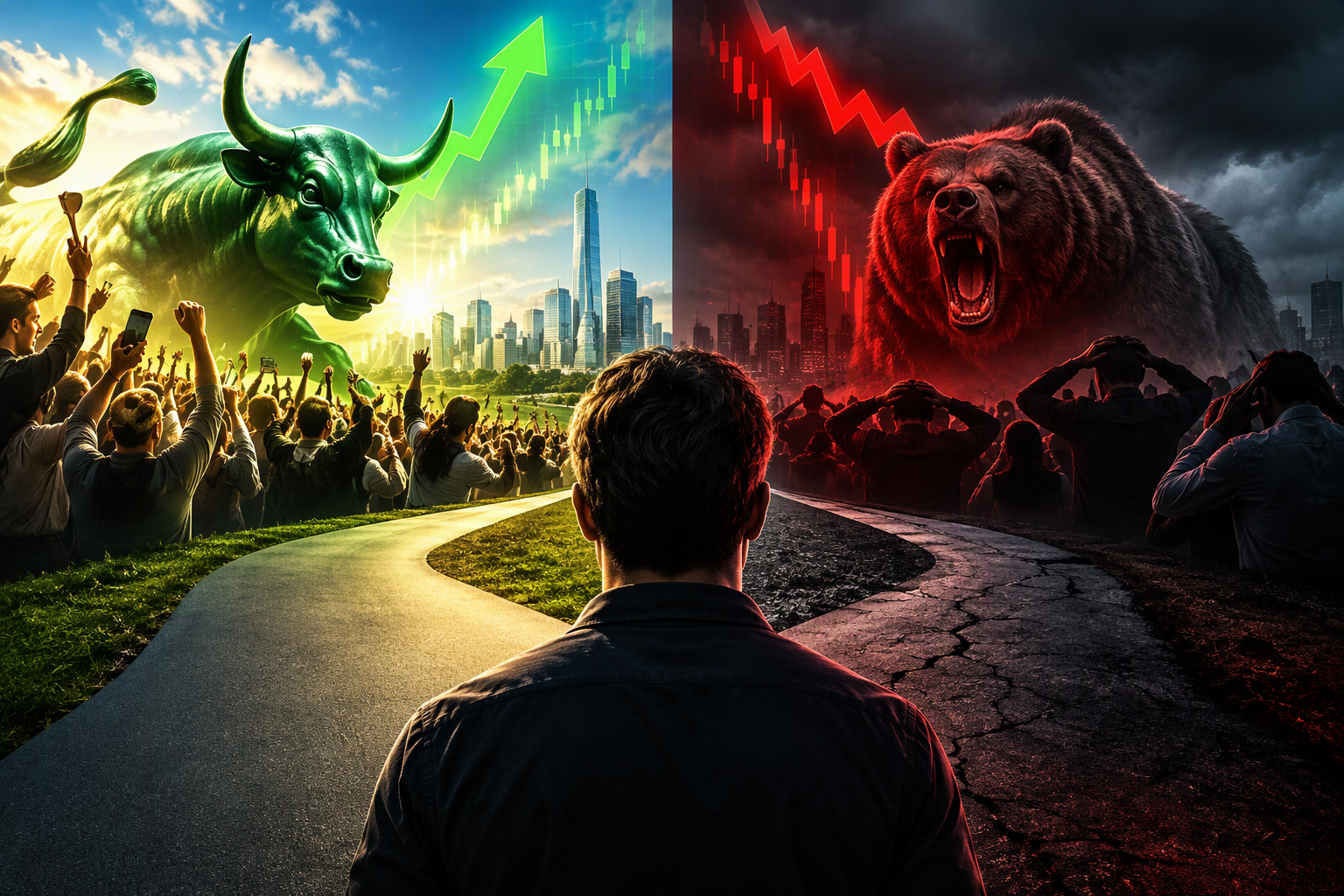
When Green Becomes the Strategy
What happens when generations of “gratification now” traders become the majority of market participants?
The answer may already be unfolding in front of us. Green is good. Green feels good. Green gets attention. Green gets clicks. Green gets subscriptions. Green creates stories that people want to believe.
A stock that’s up 20% becomes a conversation. A stock that’s down 20% becomes something most people would rather ignore.
The market hasn’t changed human nature. It has simply amplified it.
The Business of Excitement
Trading services understand this reality better than anyone.
The advertisements rarely say:
“I helped subscribers protect capital during a correction.”
Instead, they say:
“XYZ is up 400%!”
“I called Bitcoin at $5!”
“Don’t miss the next moonshot!”
Excitement sells.
Risk management doesn’t.
Patience doesn’t.
Capital preservation doesn’t.
The market rewards discipline over time, but marketing rewards excitement today.
Green Creates Confidence
When everything is green, sentiment rises.
Investors feel smarter.
Traders become more aggressive.
Risk appears smaller than it actually is.
People begin to believe their gains came from skill alone rather than a favorable environment.
During these periods, almost every strategy looks brilliant. Almost every lead trader looks prophetic. Almost every portfolio manager appears to have discovered a secret formula.
The problem emerges when the environment changes.
Most traders fear red days because they see losses. I welcome red days because I see opportunities. Let the chat rooms talk about blood in the streets; I’ll focus on putting money in the bank.
SMELLS LIKE RAIN
Nobody Gets Excited About Puts
There is another side of the market that receives remarkably little attention.
Puts.
Few traders brag about buying protection.
Few financial advertisements celebrate downside hedges.
Nobody rushes to social media to announce they just bought insurance.
A red market lacks the emotional appeal of a green one.
Yet some of the largest opportunities in market history have appeared when fear replaced greed and when protecting capital became more valuable than chasing returns.
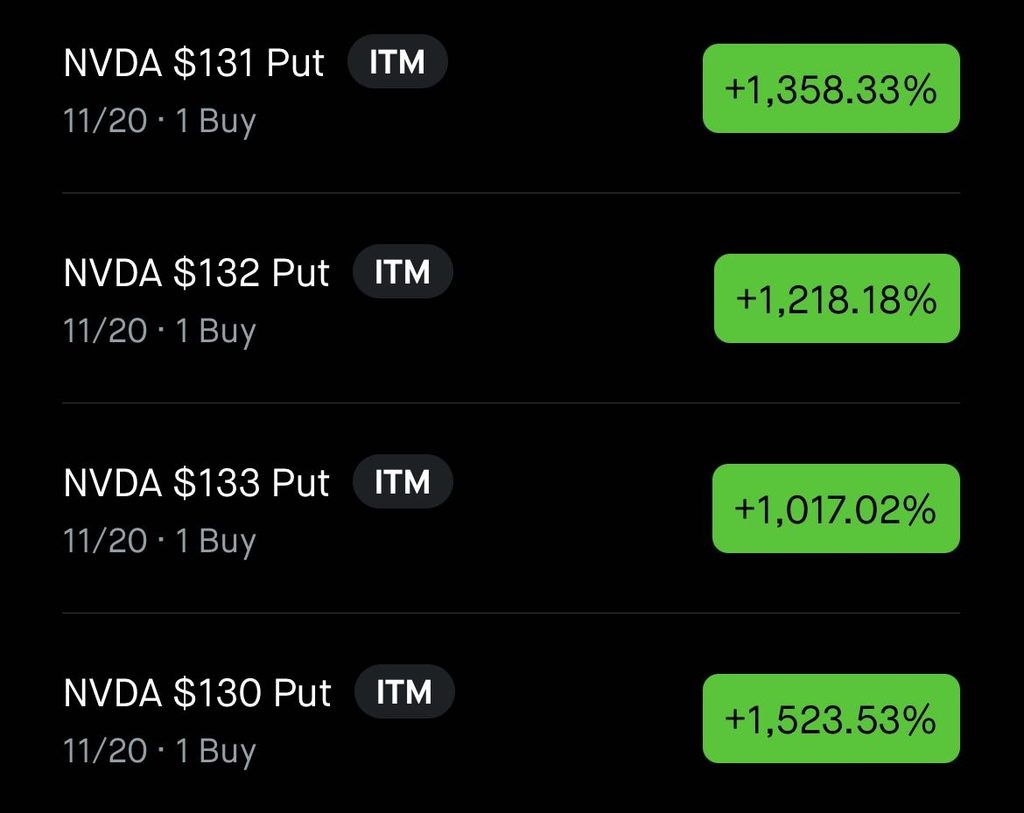
The irony is that traders often spend months learning how to make money in a rising market while spending almost no time learning how to survive a falling one.
The Crowd Chases What Already Moved
Human nature encourages investors to chase yesterday’s winner. After a stock doubles, everyone wants in. When Bitcoin surges, a flood of experts suddenly appears, each claiming they saw it coming long before the crowd.
After a strong rally, traders hunt for more calls, convinced that what has gone up must continue higher. Yet after a sharp decline, most people stop looking altogether, avoiding opportunities simply because they’re uncomfortable.
The result is a market culture that celebrates offense while largely ignoring defense. Successful traders understand that both matter. A championship football team needs a defense just as much as an offense, and a successful trader needs protection just as much as upside exposure.
Knowing how to participate in rallies is important, but knowing how to preserve capital when conditions change is often what separates survivors from spectators.
The market rises only slightly more often than it falls. Traders who learn to profit from both directions stop waiting for opportunity and start trading it.
SMELLS LIKE RAIN
The Forgotten Skill
The overlooked skill in modern markets is not finding excitement.
There is no shortage of excitement.
The overlooked skill is maintaining discipline when excitement becomes overwhelming.
It is the ability to ask:
- What happens if I’m wrong?
- Where is the risk?
- What is the crowd ignoring?
- Why is everyone on the same side of this trade?
GO WHERE NOBODY IS!!!
These questions are rarely asked near market tops.
They become very important afterward.
Final Thought
The “gratification now” mindset loves green candles, moonshot predictions, and heroic stories about buying Bitcoin at $5. It thrives on excitement, instant validation, and the belief that the next big winner is just one trade away. Yet markets have rarely rewarded impulsiveness over the long run. They tend to reward patience over urgency, discipline over excitement, and risk management over bravado.
Anyone can look like a genius when everything is moving higher and profits seem effortless. The real test comes when the screen turns red, fear replaces optimism, and nobody wants to talk about puts anymore. That’s when traders discover whether they were truly trading, thoughtfully speculating, or simply following the crowd.